- Home
- GLOBAL HEALTH SECURITY
GLOBAL HEALTH SECURITY
Background
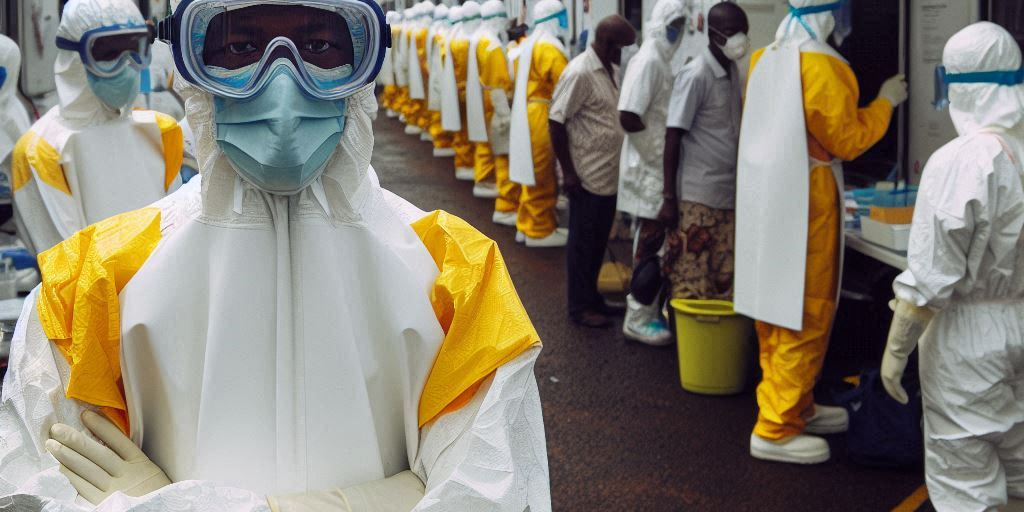
In an increasingly interconnected world, the rapid spread of infectious diseases and other public health emergencies presents a serious threat to global well-being. At BIT Global Climate Change and Health Collaboration, Global Health Security service is dedicated to strengthening Uganda’s capacity to prevent, detect, and respond to health threats—whether naturally occurring, accidental, or deliberate.
This service supports the development of resilient health systems capable of managing outbreaks, enhancing emergency preparedness, and promoting swift, coordinated responses at both local and national levels. By integrating community engagement, capacity building, and partnerships with institutions such as WHO and CDC, BIT Global fosters a proactive and equitable approach to health security.
Our efforts align with international frameworks such as the Global Health Security Agenda (GHSA) and the International Health Regulations (IHR), ensuring Uganda contributes meaningfully to global health resilience while protecting its own population from current and future biological threats
Activities
Climate Change and Health
Global Health Security
Antimicrobial Resistance
Sensitisation
Community sensitization and empowerment for development through public dialogues, seminars, conference, conventions, workshops, plays etc. for all age groups.
Surveillance
Control and contain disease outbreaks by improving surveillance and early detection systems within the community
One Health
Prevent zoonotic diseases through a “One Health” approach.
Laboratory Support
Support laboratory services through capacity building of health facilities to utilize diagnostic tools to analyze and confirm infectious agents.
Data Sharing
Support robust data sharing mechanisms among Districts to respond collaboratively to public Health threats
GHS Preparedness
Improve emergency preparedness and response plans to mobilize resources during outbreaks and support the district health taskforces.
Training
Train public health and healthcare workers to manage epidemics and pandemics efficiently
Emergency Response
Collaborate with government and other implementing partners to ensure rapid deployment of vaccines, medicines, and medical supplies during emergencies
Health Systems
Support Districts in developing strong and sustainable health systems capable of withstanding outbreaks.
Community Engagement
Enhance community engagement and education to build trust and encourage preventative behaviors to public health threats
Stakeholder Collaboration
Strengthen partnerships between government, organizations (e.g., WHO, CDC), and stakeholders to share knowledge and resources.
GHSA and IHR
Contribute to initiatives like the Global Health Security Agenda (GHSA) and the International Health Regulations (IHR).
Health Equity
Encourage equity in health security, ensuring all districts—regardless of economic capacity—can respond to health crises.
Basic Services
Tackle poverty, inadequate infrastructure, and access to clean water and sanitation, and preservation of the environment
Policy Support
Participate in the development of national frameworks and response protocols for public health threats like COVID-19.
Biosecurity
Address biological threats, including naturally occurring, accidental, or deliberate outbreaks.
Other Activities
Any other incident activities to achieve the Organisation objectives